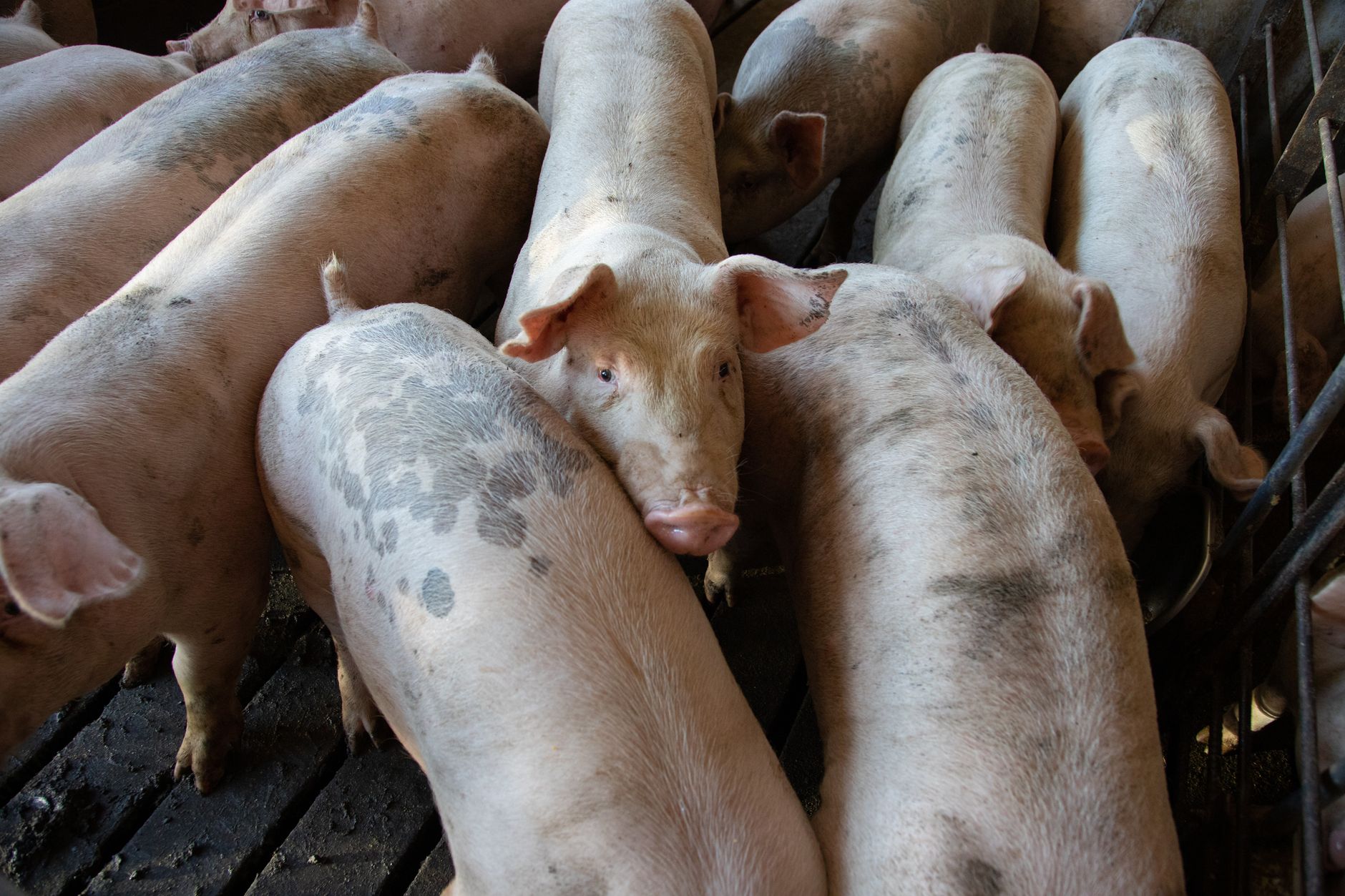
Photo by Mark Stebnicki via Pexels
Three companies process more meat than most countries produce. Together they're worth hundreds of billions of dollars. And together, they've built the most destructive industrial system on earth — short of burning fossil fuels, and honestly it's a close race.
I'm not being dramatic. I have the data.
In 2023, JBS reported $72 billion in revenue. Tyson pulled in $47 billion. Cargill is privately held but analysts put them in the same neighborhood. These three companies employ hundreds of thousands of people, lobby governments on six continents, and have more political influence than most mid-sized nations.
And every single one of them has been caught — repeatedly — for crimes ranging from price-fixing to illegal Amazon deforestation to polluting rivers in rural America. They paid fines. They kept going.
This is not a niche issue. This is the biggest non-fossil-fuel driver of environmental destruction on the planet. And you're funding it every time you buy a pack of chicken breasts.
14.5% of Everything Bad
The FAO published "Tackling Climate Change Through Livestock" in 2013. Their number: livestock farming accounts for approximately 14.5% of global greenhouse gas emissions. That's more than the entire global transportation sector combined.
Not cars. Not planes. Not container ships. Cows.
Methane from ruminant digestion — cows produce and belch enormous quantities of it — is 80 times more potent as a greenhouse gas than CO2 over a 20-year horizon. Add nitrous oxide from manure management (300 times more potent than CO2), plus all the CO2 from deforestation to clear land for feed crops and pasture, and you've got a climate catastrophe that dwarfs every car on every road in every country on earth.
Here's what kills me: when climate activists rally against pipelines, demand electric vehicles, campaign to ban gas stoves, they're not wrong. But ask them to stop eating meat and suddenly it's a personal choice that's nobody's business. The same people who would chain themselves to a pipeline will take offense at being asked to skip the burger.
Funny how that works.
Your Burger Drank 1,800 Gallons of Water
Mekonnen and Hoekstra published their water footprint analysis in PNAS in 2012. One kilogram of beef: approximately 15,400 liters of water. That's not just drinking water — it's irrigation for feed crops, processing water, and water contaminated and rendered unusable downstream.
A quarter-pound burger patty. About 450 gallons. Gone.
And what comes back out isn't clean. Factory farm runoff — loaded with nitrogen, phosphorus, growth hormones, and antibiotic-resistant bacteria — drains into waterways. The Gulf of Mexico has a dead zone the size of New Jersey, created by agricultural runoff from the Mississippi watershed. The waterway is dominated by corn and soy. Not grown for your food. Grown to feed cattle.
The FAO found that 77% of global soy production goes to animal feed, not human consumption. File that away for the next time someone lectures you about soy destroying the planet. Your tofu is not why the Amazon is burning.
80% of the Amazon
Nepstad et al., 2014, published in Science: up to 80% of Amazon deforestation is attributable to cattle ranching.
Eighty percent.
The Amazon cycles an estimated 20 billion tonnes of water through the atmosphere every single day. It contains somewhere between 10 and 30% of all species on earth — the range is that wide because we haven't finished cataloguing them. It functions as the planet's most important land-based carbon sink, pulling CO2 out of the atmosphere at a rate nothing we've engineered can match.
And JBS — the world's largest meat processor, $72 billion in revenue — was caught in 2020 purchasing cattle from farms operating on illegally cleared Amazon land. The Brazilian government fined them. They paid. Brazilian federal investigators found them doing it again the following year.
The fine is just the cost of doing business when you're making $72 billion.
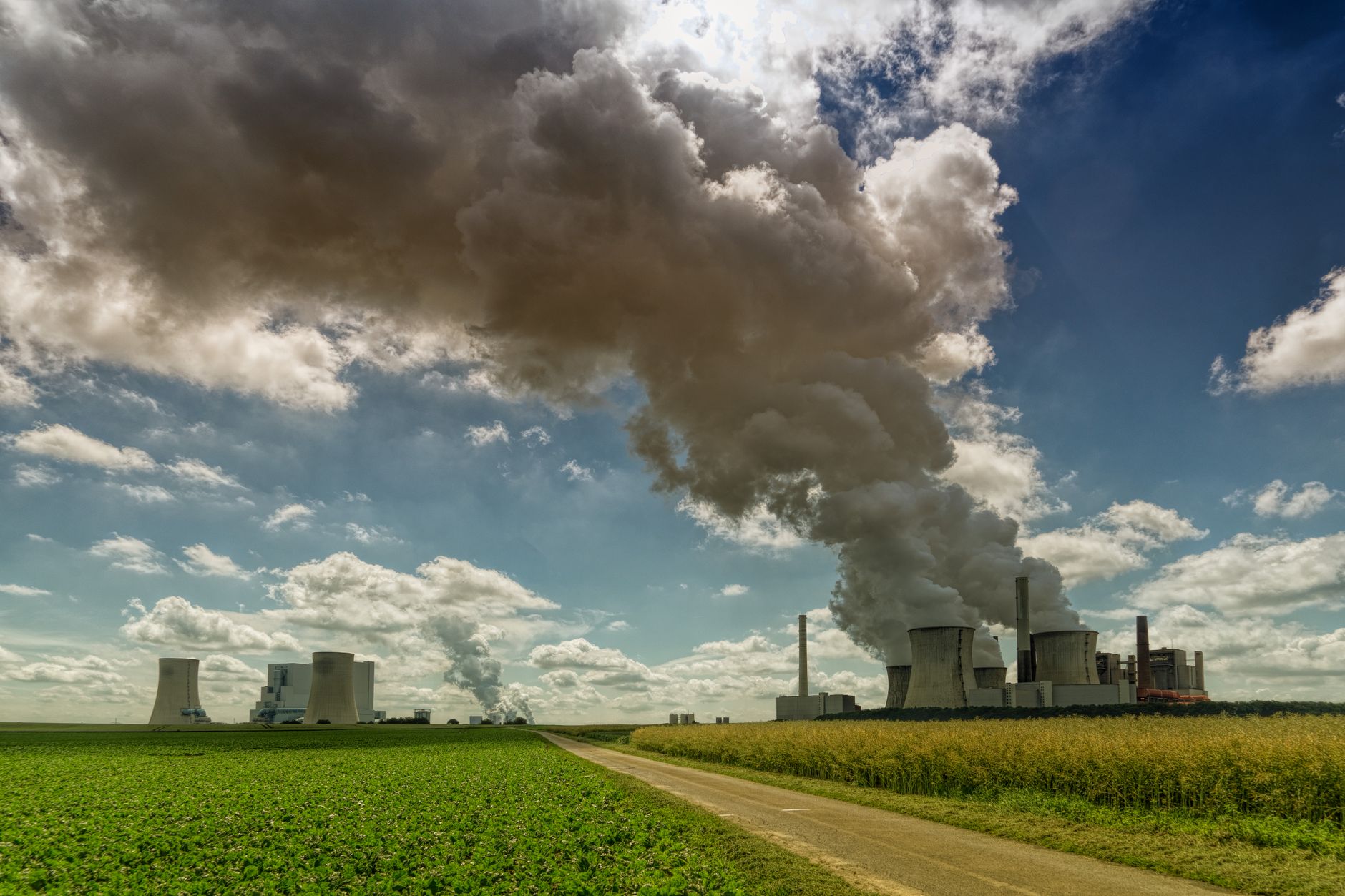
Photo by Johannes Plenio via Pexels
The Antibiotic Time Bomb
Van Boeckel et al., PNAS, 2015: approximately 75% of all antibiotics sold globally are used in livestock production.
Not primarily to treat sick animals. To promote faster growth and prevent the diseases that predictably arise when you pack 30,000 chickens into a windowless shed and run them to slaughter weight in 42 days. You give them antibiotics because without them, they'd get sick and die before you could sell them. With them, they grow faster and you make more money.
The consequence is antibiotic resistance — bacteria evolving faster than our drugs can keep up with. The CDC estimates that antibiotic-resistant infections kill at least 35,000 Americans per year. A UK government-commissioned review projected that if resistance trends continue unchecked, it could kill 10 million people globally per year by 2050. More than cancer kills today.
The meat industry has fought every meaningful attempt to restrict agricultural antibiotic use. Growth-promoting antibiotics are profitable. That's the whole story.
What They Do to the Animals
I'll keep this section short because the details are brutal and I don't want to numb you to them.
Broiler chickens are bred to grow so fast that many develop skeletal disorders — their legs collapse under their own bodyweight. A 2019 University of Bristol study found over 75% of commercial broiler chickens showed measurable lameness. They spend their 42-day lives sitting in their own waste because walking hurts too much.
Gestation crates for pigs: metal stalls so narrow the animal cannot turn around. She's impregnated, confined for the duration of pregnancy, gives birth, her piglets are taken, and then she's bred again. Repeat for years until productivity drops. The EU banned gestation crates in 2013. Much of the United States still permits them.
Dairy cows are impregnated every year — because cows only produce milk after giving birth. Her calf is removed within hours. Male calves go to veal facilities. Females enter the same cycle. When her milk production drops she's slaughtered, usually at four or five years old. Her natural lifespan is twenty years.
That's not farming. That's a biological assembly line with a scheduled breakdown date.
Cancer, Pandemics, and the WHO
In 2015, the WHO's International Agency for Research on Cancer classified processed meats — bacon, hot dogs, salami, sausages, deli meats — as Group 1 carcinogens. Same category as tobacco. Same category as asbestos. Red meat was put in Group 2A: probably carcinogenic to humans.
The North American Meat Institute called it "alarmist." Tyson's stock dropped briefly. Then everyone forgot about it and kept buying bacon.
And then there's the pandemic question. Jones et al., 2013, PNAS: zoonotic disease emergence is strongly linked to agricultural intensification. Factory farms are perfect pathogen incubators — thousands of genetically similar animals, immune systems stressed by overcrowding, constant antibiotic pressure accelerating microbial evolution. Avian influenza H5N1, swine flu H1N1, and multiple coronavirus strains have all originated in or been amplified by industrial animal agriculture.
The next pandemic is probably evolving right now in a facility like this. We keep building them. We keep telling ourselves it'll be fine.
Three Companies, Zero Accountability
Tyson Foods paid $221 million in 2020 to settle a lawsuit over a chicken price-fixing conspiracy. JBS paid $11 million in 2020 over illegal Amazon cattle purchases. Cargill has racked up multiple violations for contaminating waterways across the American Midwest and abroad.
These aren't rogue bad actors. These are the industry leaders. The ones your grocery store's meat section runs on.
They fund lobbying operations that have successfully blocked meaningful agricultural emissions regulations for decades. They fight wage increases for slaughterhouse workers — an industry with some of the highest injury and PTSD rates of any American workforce. They fight zoning laws that would prevent new concentrated animal feeding operations from being built next to schools and low-income communities. They fight labeling requirements that would let you trace your meat to its source.
They also spend millions convincing you that eating less meat is an extremist fringe position, not a rational response to documented evidence.
So What Do You Actually Do?
You can't fix Tyson from inside a McDonald's drive-through. But you can stop writing the check.
Every dollar spent on industrial meat sustains more of this — more Amazon cleared, more antibiotics in the water supply, more methane warming the atmosphere, more animals in gestation crates. The economics are that direct. Reduce demand, and the industry contracts. Slowly — but it contracts. You've already seen it with dairy. Plant-based milk went from 5% of the U.S. milk market in 2015 to over 16% in 2025. Major dairy processors are closing facilities or pivoting. That happened because millions of individual people made different choices at the grocery store.
If you want to understand what your body actually needs — and why the "but protein" crowd has been wrong this whole time — read about what full nutrition on a plant-based diet actually looks like.
Then go watch Dominion on YouTube. It's free. It documents what the industrial animal agriculture system looks like from the inside. It's the most comprehensive thing you'll ever wish you hadn't seen — but you should see it.
The industry is counting on your inertia. Don't give it to them for free.
References
- Gerber, P. J., et al. (2013). "Tackling Climate Change Through Livestock." Food and Agriculture Organization of the United Nations. http://www.fao.org/3/i3437e/i3437e.pdf
- Nepstad, D., et al. (2014). "Slowing Amazon deforestation through public policy and interventions in beef and soy supply chains." Science, 344(6188), 1118–1123. https://doi.org/10.1126/science.1252757
- Mekonnen, M. M., & Hoekstra, A. Y. (2012). "The water footprint of humanity." PNAS, 109(9), 3232–3237. https://doi.org/10.1073/pnas.1109936109
- Van Boeckel, T. P., et al. (2015). "Global trends in antimicrobial use in food animals." PNAS, 112(18), 5649–5654. https://doi.org/10.1073/pnas.1503141112
- Bouvard, V., et al. (2015). "Carcinogenicity of consumption of red and processed meat." The Lancet Oncology, 16(16), 1599–1600. https://doi.org/10.1016/S1470-2045(15)00444-1
- Jones, B. A., et al. (2013). "Zoonosis emergence linked to agricultural intensification and environmental change." PNAS, 110(21), 8399–8404. https://doi.org/10.1073/pnas.1307767110
- CDC. (2019). "Antibiotic Resistance Threats in the United States." https://www.cdc.gov/antimicrobial-resistance/media/pdfs/2019-ar-threats-report-508.pdf