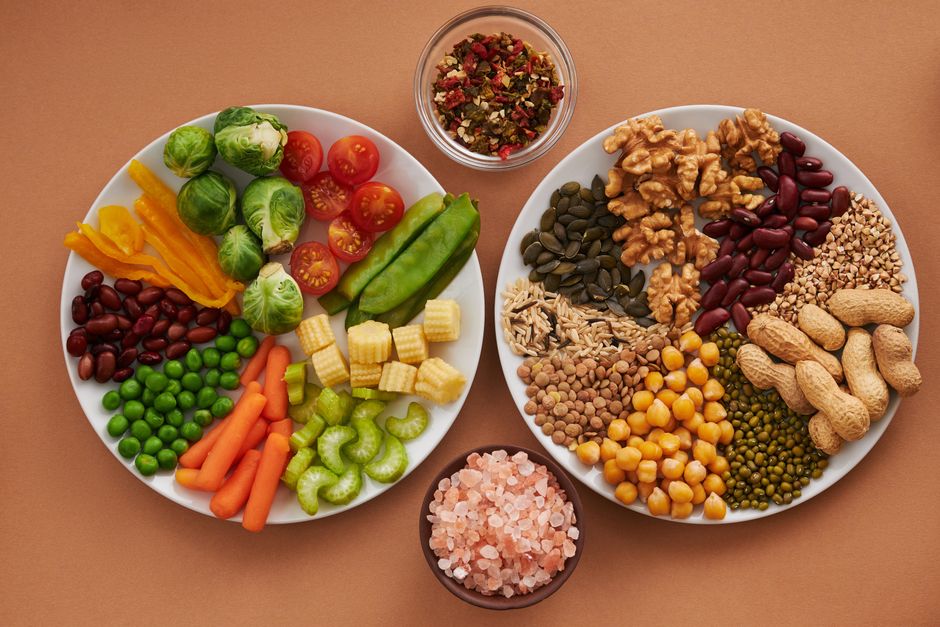
Photo by Vanessa Loring via Pexels
A guy told me this once while standing in front of a $14 grass-fed ribeye at the farmers market. "I would go vegan, but I just can't afford it." He said it without irony. He was holding a $14 steak.
I didn't argue. I just did the math in my head.
A pound of dried lentils costs $1.49 at most grocery stores. It contains roughly 90 grams of protein. That's 1.6 cents per gram of protein. The ribeye he was holding — generously — delivers protein at about 12 cents per gram. He was paying eight times more for the same nutrient and calling veganism expensive.
This is the lie. And it's not just wrong — it's backwards. Veganism, done the way most of humanity has eaten for most of history, is one of the cheapest ways to eat on the planet. The "expensive" version is the one you're already eating.
I've heard this excuse more times than I can count. At dinner parties, in comment sections, from coworkers who eat $12 deli sandwiches every day. "It's just not financially realistic for me." Fine. Let's test that claim with actual numbers, because I'm tired of watching people bankrupt themselves on beef while patting themselves on the back for being "practical."
What the Research Actually Says
I'm not going to ask you to take my word for this. Let's go to the studies.
In 2023, researchers at the Physicians Committee for Responsible Medicine published a secondary analysis in JAMA Network Open comparing the food costs of a low-fat vegan diet against a standard American omnivore diet. The lead researcher was Hana Kahleova, MD, PhD. This wasn't a blog post. This was a randomized clinical trial with real grocery data.
The result: a vegan diet cut food costs by 19%. That's $1.80 per day. Every day. Which adds up to more than $650 per year compared to the standard American diet — and more than $870 per year compared to the Mediterranean diet, which everyone keeps telling you is the healthy gold standard.
Where did the savings come from? Meat alone accounted for $2.90 per day in reduced spending. Dairy knocked off another $0.50. Yes, vegans spent a little more on vegetables ($0.50/day) and grains ($0.30/day). The math still came out $650 ahead on an annual basis.
Oxford University went wider. Their researchers analyzed food costs across 150 countries using World Bank pricing data, publishing findings in The Lancet Planetary Health. Conclusion: vegan diets were the most affordable of all dietary patterns studied — cutting costs by up to one-third compared to the typical Western diet. The average Western omnivore spends about $50 per week on food. Vegetarians: $34. Vegans: $33.
Seventeen dollars a week. Every week. That's $884 a year.
Now ask me again why you can't afford to go vegan.
The Protein Math They Don't Want You to Do
The "but where do you get your protein" crowd tends to also be the "veganism is expensive" crowd. These are related misconceptions. So let's kill both at once.
The Vegetarian Resource Group published a detailed cost-per-protein analysis in 2024, comparing plant and animal protein sources across markets in Atlanta and Los Angeles. Here's what they found, per 10 grams of protein:
- Dried pinto beans: $0.12–$0.14
- Dried lentils: $0.18–$0.22
- Beef patties: $0.50–$0.52
- Plant-based meat crumbles: $0.80–$1.06
Read that again. Beef is four times more expensive than lentils for the same amount of protein. And plant-based meat alternatives — the Impossible Burgers, the Beyond patties, the stuff that always gets held up as "proof" that veganism is expensive — are twice as expensive as beef.
This is where the confusion lives. People conflate "vegan" with "expensive processed plant-based products." They're not the same thing. I've written before about the $2 meal that destroys every argument against veganism — rice and beans, the dietary foundation of civilizations that existed long before Whole Foods opened its first location. I eat it two or three times a week. My grocery bill reflects it.
If your reference point for "vegan food" is an $18 cauliflower steak at a trendy restaurant or a $5 oat milk latte, you've been successfully marketed to. That's not veganism. That's a lifestyle brand.
Why Does Everyone Believe This?
Here's the thing about myths — they don't survive because they're true. They survive because they're useful to someone.
The "veganism is expensive" narrative is useful to the meat industry, which needs you to believe that eating animals is the economical, practical, default choice. It's useful to companies selling premium plant-based products, who profit from positioning their burgers as aspirational. And it's comfortable for omnivores who want a financial excuse that lets them off the ethical hook.
Nobody wants to admit that the actual barrier is habit, not money. That rice costs less than ground beef. That a bag of dried chickpeas feeds a family of four for under $3. That legumes have been the caloric backbone of human civilization for 10,000 years — not because our ancestors were health influencers, but because legumes are cheap, storable, and nutritionally dense.
I tracked my own grocery spending for a month before and after cutting out the last of my animal products. The difference was $73. Per month. I was spending less, not more, and eating better than I had in years. More variety. More color. More protein per dollar. I wasn't optimizing anything — I was just buying what I normally bought, minus the animal stuff, and the bill went down automatically.
Meat Is the Expensive Habit. Especially Now.
Let's talk about what's happening to meat prices in 2025, because it makes this whole conversation even more absurd.
Ground beef averaged $6.12 per pound in June 2025 — the first time in recorded CPI history it's ever crossed $6.00. By August it was $6.30. Beef prices are up 14.7% year-over-year, while overall food inflation sits at 3.1%. Beef inflation is running at nearly six times the general rate.
The reason? The US cattle herd hit its lowest numbers since 1951, driven by years of severe drought. Tariffs made it worse. The egg crisis that dominated early 2025 headlines was another symptom of the same structural fragility — an animal agriculture system that's expensive to run, volatile to price shocks, and getting more so every year.
Since January 2020, meat, poultry, fish, and eggs have gotten 36% more expensive. Fruits and vegetables? Sixteen percent. The gap is widening. Every year you stay on the meat train is a year the ticket gets more expensive.
When I made the full switch, I stopped caring about beef prices. I genuinely don't notice when they spike. Lentils haven't had a price crisis. Nobody is rationing chickpeas because of a drought in Texas.
The USDA Finally Said the Quiet Part Out Loud
In December 2024, the USDA's dietary advisory committee recommended moving beans, peas, and lentils out of the vegetable category and placing them at the top of the protein food group — above meat. The committee specifically suggested legumes as the ideal substitute for red and processed meat.
This is the same USDA that spent decades designing food pyramids with prominent meat placement, funded by beef and dairy lobbying. Even they've arrived at what poor people around the world have known forever: legumes are the most efficient protein source available to humans. And they're the cheapest.
If you've been telling yourself that you need meat to get adequate protein — that plant-based eating is nutritionally risky — the USDA disagrees with you now. Protein isn't the problem it's been made out to be.
What Actual Vegan Eating Costs
I don't want to deal in abstractions. I've already published a full week of vegan meals for under $25 with receipts — go read it if you want line-item proof. But here's the rough math for what a week of staples looks like:
A 4-lb bag of dried black beans: $3.49. That's roughly 15 servings. A 2-lb bag of red lentils: $2.99. Easily 20 servings. A 10-lb bag of rice: $7.99. A bunch of kale: $1.99. A can of coconut milk: $1.79. Frozen edamame: $2.49. A pound of tofu: $2.19.
Under $25. Fed for a week. Not sad salads — dal, congee, stir fry, tacos, chili. Real food that actually fills you up.
The expensive version of veganism — the one used to discredit the whole idea — is the version sold to affluent people who want to feel virtuous without changing their food culture. Oat milk lattes and $25 grain bowls and "clean eating" cookbooks requiring ingredients you've never heard of. That's not veganism. That's wellness capitalism wearing veganism's clothes.
The Privilege Argument Cuts Both Ways
Here's what's actually true about food, class, and history: the cheapest whole foods on earth are almost all plant-based. Rice. Beans. Lentils. Oats. Potatoes. Cabbage. Carrots. These have been survival foods for the working poor across every continent and every century — not because poor people made a trendy dietary choice, but because legumes and grains are affordable, calorie-dense, and storable.
Meat was historically aspirational. It's what distinguished aristocratic tables from peasant tables. The wealthy ate roasted meats. The poor ate beans. Today's version of this dynamic is the same pattern — just inverted by marketing. Now, suddenly, the food of the poor is "elitist," and the food of the wealthy is a "necessity."
The real access barriers for food-insecure families aren't the price of lentils. Lentils are $1.49 a pound. The barriers are food deserts, time poverty, lack of cooking infrastructure, and the deliberate concentration of fast food in low-income neighborhoods. Those are genuine structural problems worth fixing. But "veganism is too expensive" isn't a diagnosis of those problems — it's a deflection from a personal choice that most people reading this can afford to make right now.
You have a grocery store. You have a stove. The only thing between you and eating plant-based for less money than you currently spend is a habit you've convinced yourself is necessity.
And look — I'm not pretending there's no such thing as food insecurity. There is, and it's serious. But the solution isn't ground beef at $6.30 a pound. The solution is exactly what poor communities around the world have always relied on: legumes, rice, grains. The same foods vegans eat. The same foods getting dismissed as "too expensive" by people spending $15 on lunch every weekday.
Run the Numbers on Your Own Cart
Next time you're at the grocery store, do this one thing: look at the price per pound of every protein source in your cart. Chicken breast: $5–6/lb. Ground beef: $6+/lb. Pork chops: $4–5/lb. Shrimp: $12+/lb.
Then walk to the dried bean aisle. Dried lentils: $1.49/lb. Dried chickpeas: $1.79/lb. Dried black beans: $1.69/lb.
The math writes itself. And unlike ground beef, lentils won't spike 14.7% next year because of a drought in Texas.
The "veganism is expensive" excuse expired a long time ago. The data buried it. The studies confirmed it. The grocery receipts prove it every week. And if you're still paying $6.30 a pound for ground beef while telling yourself you can't afford rice and lentils — that's not a budget problem. That's a choice.
The price of going vegan is lower than what you're paying now. The cost of staying on animal products is something else entirely — propped up by hundreds of billions in subsidies that hide the true number so you never see it at checkout.
Go price the lentils. Then decide.
And if you want to see exactly how far $25 goes when you're not buying animal products, I kept the receipts. Every single one.
References
- Kahleova H, et al. "Vegan Diet and Food Costs Among Adults With Overweight: A Secondary Analysis of a Randomized Clinical Trial." JAMA Network Open, 2023.
- Springmann M, et al. "Sustainable eating is cheaper and healthier." University of Oxford / The Lancet Planetary Health, 2021.
- Vegetarian Resource Group. "The Cost of Beans vs. Meat." Vegan Journal, 2024.
- Axios. "Ground beef prices 2025: Why cost of meat is at record high." 2025.
- CNBC. "Beef prices are soaring. Here's why America is facing record-low cattle numbers." 2025.
- U.S. News & World Report. "Eat Less Meat, More Beans & Lentils for Protein, New USDA Guidelines Say." December 2024.
- USDA Economic Research Service. "Food Price Outlook — Summary Findings." 2025.